Research
My research examines how housing supply transformations shape urban inequality. I pursue this research through three connected areas: housing supply and neighborhood change; race, immigration, and housing; and data infrastructure. You can find my full list of publications or my Google Scholar profile.
Housing supply and neighborhood change
I examine how access to housing and neighborhoods is governed through housing supply and the transformation of the existing housing stock. Methodologically, I use computational approaches to analyze administrative and commercial microdata. This approach allows me to observe these processes at fine spatial and temporal scales and to connect policy and market conditions to housing stock and household-level residential mobility outcomes.
Neighborhood change, gentrification, and displacement
I study how neighborhood change, including gentrification and persistent disinvestment, shapes who can stay at a place, who moves in, and who is pushed out by analyzing consumer big data that tracks their residential movements over time. I am also attentive to affordable housing preservation—how existing affordable units, especially unsubsidized housing, are retained or lost, and with what consequences for who can remain.
Song, T. & Reid, C. (2026). The Implications of Naturally Occurring Affordable Housing (NOAH) Sales for Residential Mobility. Journal of the American Planning Association 92(3), 360–374.
Song, T. & Chapple, K. (2024). Does Gentrification Constrain Housing Markets for Low-Income Households? Evidence from Household Residential Mobility in the New York and San Francisco Metropolitan Areas. Urban Studies 61(13), 2603–2622.
Housing and land use policies
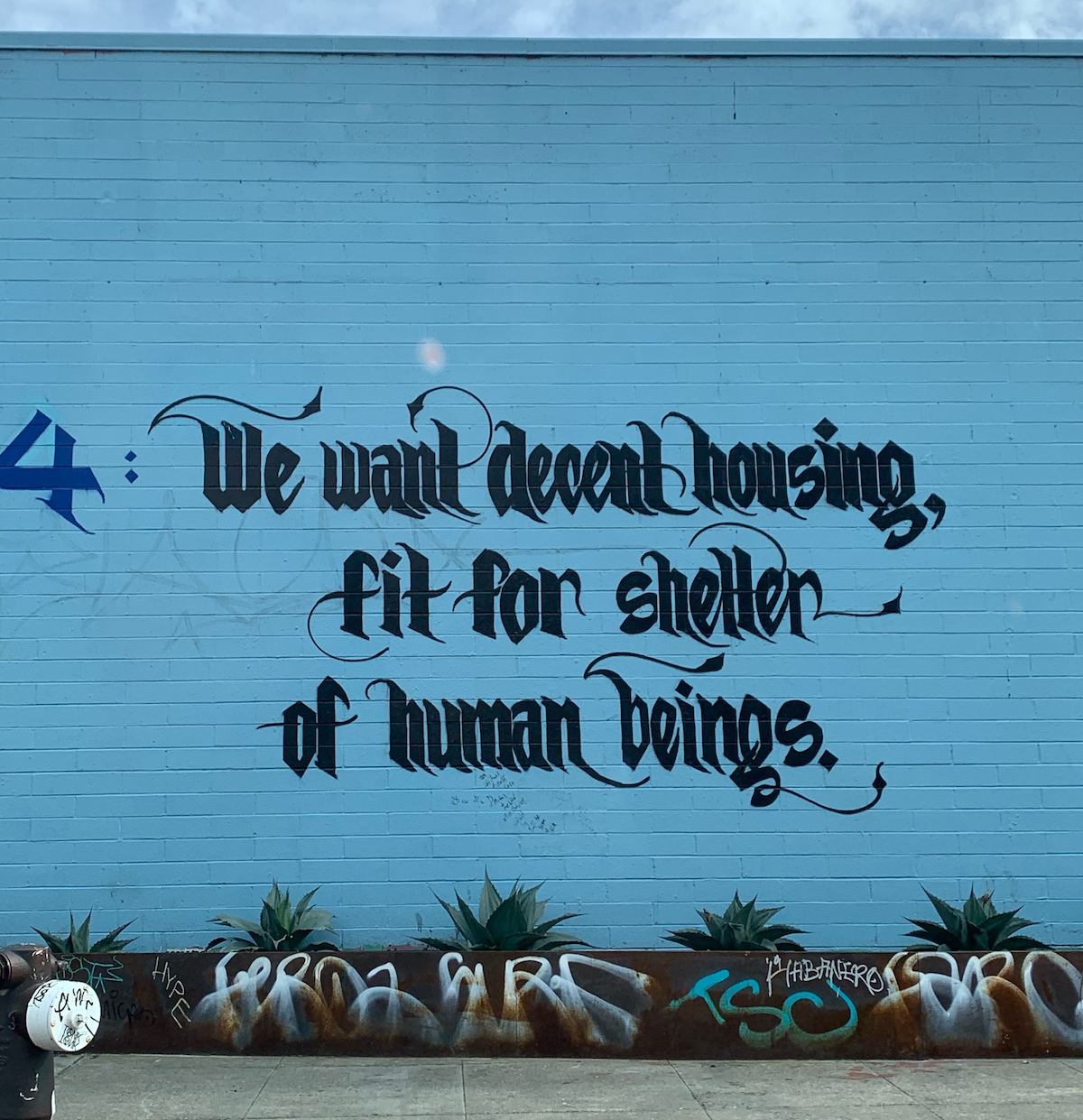
Planners and policymakers are increasingly seeking housing and land use policies, such as zoning reforms, to expand the supply base and improve affordability and neighborhood access. However, these policies are also often met with concerns about gentrification and displacement. My research examines how the intensity, location, and form of development shape access differently across neighborhoods and groups, asking when and where new supply mitigates or intensifies housing exclusion.
Davis, J., Song, T. & Chapple, K. (2026). How Does Upzoning Impact Residential Mobility Among Low-Income Households? Evidence from New York City. Housing Policy Debate, 1–21.
Chapple, K. & Song, T. (2025). Can New Housing Supply Mitigate Displacement and Exclusion? Evidence from Los Angeles and San Francisco. Journal of the American Planning Association 91(1), 1–15.
Demolition and redevelopment
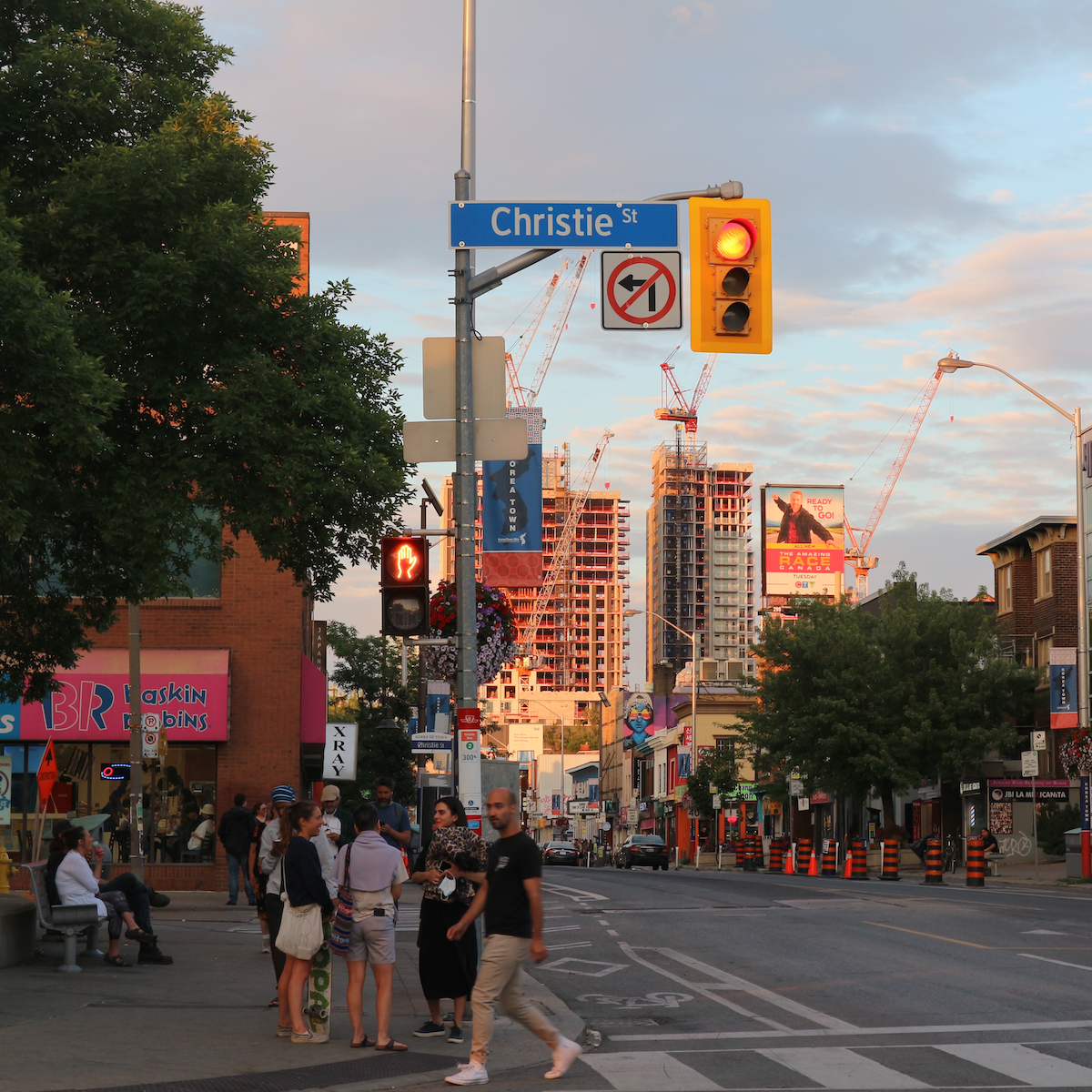
Often overlooked in the housing supply debate is the transformation of the existing stock—the demolitions and redevelopment that quietly reshape neighborhoods. I ask what demolition and redevelopment actually become on the ground—what replaces what is torn down, where, and for whom—using building permit and parcel records, and taking seriously the measurement choices involved in studying redevelopment with local administrative data.
Ramiller, A. & Song, T.. Rezoning and Property Conversion: Alternative Pathways to Infill Housing in Three U.S. Cities. In preparation
Song, T. & Davis, J.. Upzoning and Demolition: Housing Loss and Redevelopment in New York City. In preparation
Race, immigration, and housing
My second pillar of research examines how immigration reshapes—and is simultaneously shaped by—racialized boundaries of belonging in housing markets. Focusing on Asian populations in the United States and Canada, immigrant-majority and critically underrepresented groups in housing research, I trace how historical and contemporary land use regimes, housing policies, and racialized political and media narratives reproduce differential inclusion and inequality across scales.
Divergent immigrant incorporation in housing access
My dissertation challenges the treatment of Asians as a monolithic “other” within the Black–White binary paradigm, arguing that this categorization reinforces racial inequality by perpetuating the “model minority” stereotype. I argue that prior research has obscured significant housing disparities within the diverse pan-ethnic Asian American community, and that by attending to this diversity, we can observe divergent patterns of incorporation. I also show how policies continue to stratify Asian American housing outcomes despite significant gains in socioeconomic attainment, complicating contemporary narratives around race and class in housing access.
Song, T.. Immigration, Housing Markets, and Ethnic Divergence in Asian American Homeownership, 2000–2019. Under review
Song, T.. How Does Suburban Housing Supply Shape Asian American Segregation?. In preparation

Racialized narratives and legislating housing exclusion
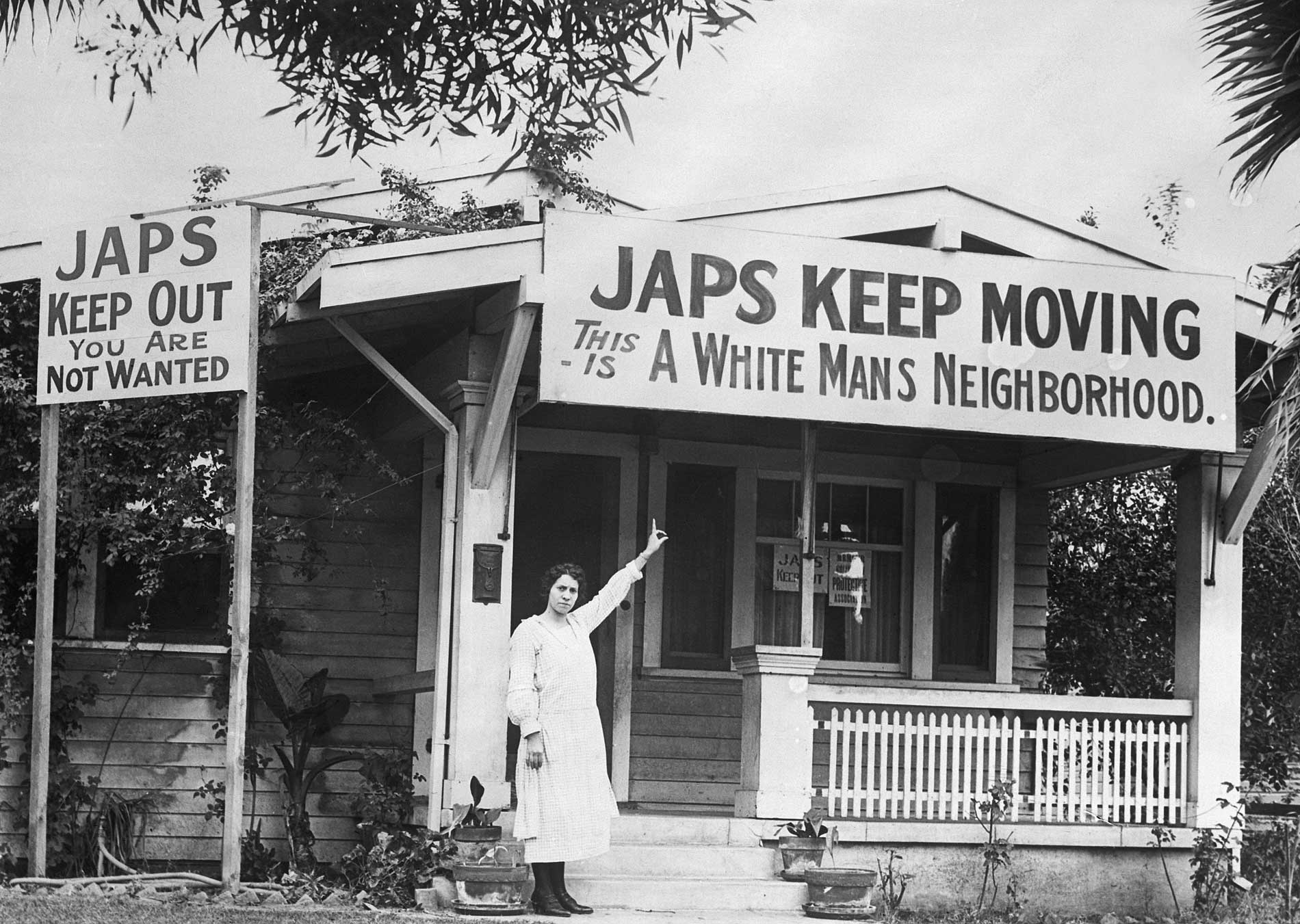
While immigration debates have traditionally centered on labor market competition, housing affordability has emerged as a growing site of politicization—often with a focus on Asian, particularly Chinese, immigrants. Anglosphere countries such as Canada, Australia, and New Zealand have implemented taxes and restrictions aimed at limiting non-citizen home purchases, framing them as a response to rising housing costs. In the United States, Texas and Florida have legislated property-purchase bans targeting Chinese nationals, including immigrants in the country. I am interested in how such policies both reflect and reinforce racialized narratives of Asian immigrants, drawing on historical parallels such as the Alien Land Laws, and I quantitatively assess the impacts of these restrictive policies on the housing market.
Song, T. (2026). Anti-immigration and the Politics of Housing Affordability: Examining the Evolution and Housing Market Impacts of Foreign Buyer Taxes in British Columbia and Ontario. Journal of Urban Affairs 48(9), 2813–2830.
Data infrastructure
Understanding housing and neighborhood exclusion requires measuring who moves, who stays, and who is missed entirely. My methodological work evaluates new consumer and administrative datasets for capturing residential mobility and exclusionary dynamics at fine spatial scales, while developing best practices to address the data biases that can distort the representation of marginalized and underrepresented groups.
I am extending this agenda to building permits and other local administrative data that have significant potential for research, studying demolitions and property transformations as well as the planning and neighborhood conditions associated with them.
Ramiller, A., Song, T., Parker, M. & Chapple, K. (2024). Residential Mobility and Big Data: Assessing the Validity of Consumer Reference Datasets. Cityscape 26(3), 227–239.